Crinum Calamistratum
- Unique crinkly texture
- Tall background plant
- Easy care
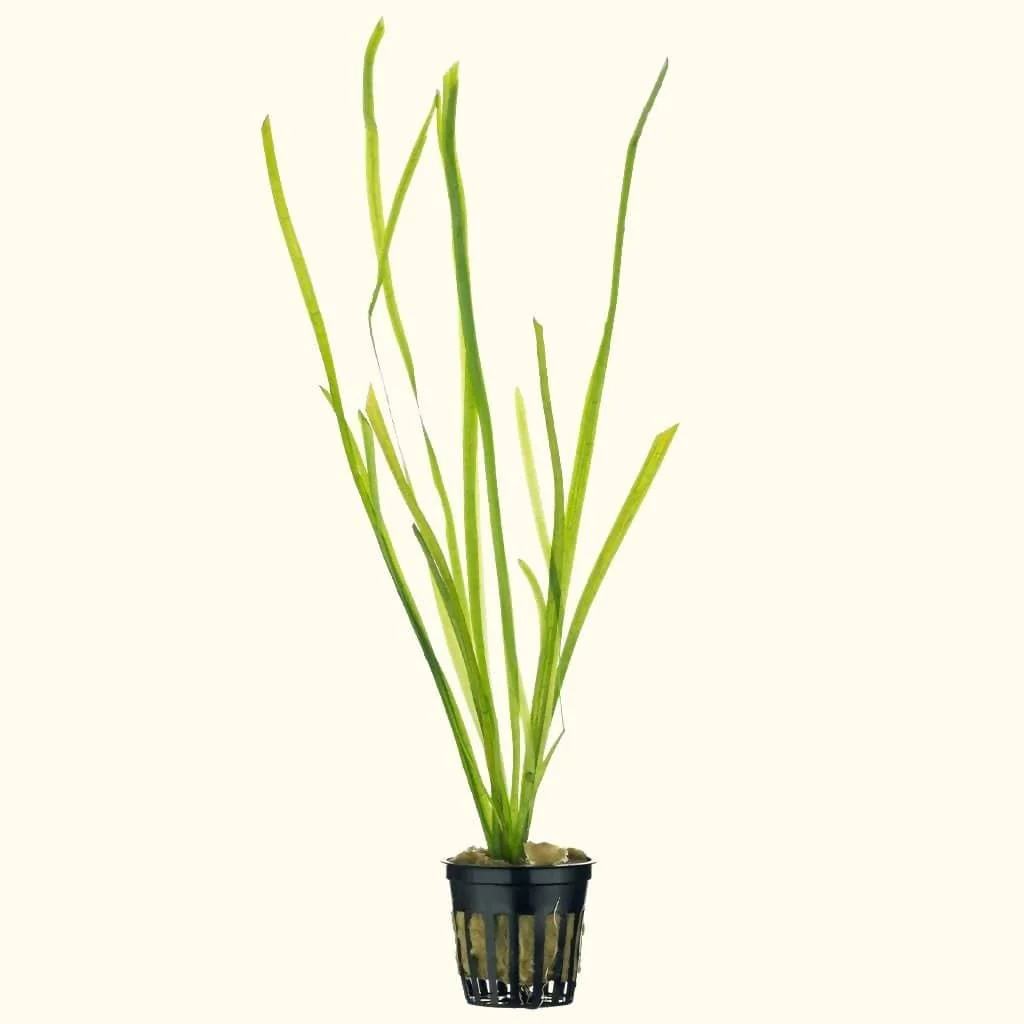
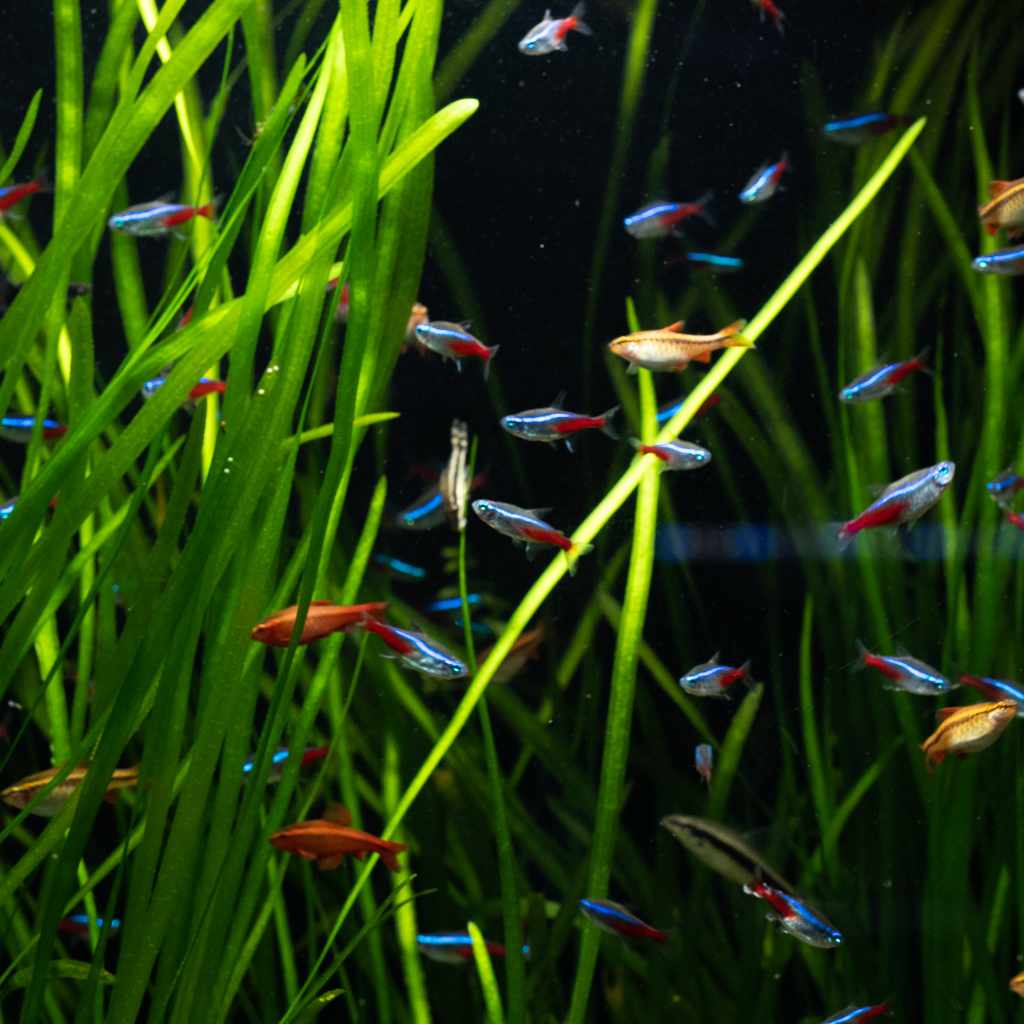
Crinum calamistratum is a unique bulb plant with very long and narrow leaves that are dark green in color and crinkly in texture. It can grow quite tall, which makes it a great background or centerpiece plant to keep your aquarium. Crinum plants will do best in at least medium lighting and are extremely slow growing, but they're a must-have for any plant lover.
- Scientific Name: Crinum calamistratum
- Native To: Africa
- Skill Level: Medium
- Placement: Background
-
Recommended Light: Medium Light 20-35 PAR (click to see our PAR chart)
- CO2 Requirement: Low to none
- Preferred Fertilizer: Easy Green liquid fertilizer and Easy Root Tabs
- Propagation: Remove side bulbs and replant
***Being a natural product, sizes can vary from what is shown.***
How to Plant Crinum Calamistratum
1. Rest the bulb on top of substrate or about halfway buried so the plant can send roots down into the substrate. If buried too deeply, the plant may rot and eventually die.
2. If the bulb starts floating, you can either wait for it to sink or place it loosely under a piece of hardscape to keep it weighed down.
3. The leaves of bulb plants are very fragile and may break during shipping. However, as long as the bulb is intact and correctly planted, the plant will fully recover and begin growing new roots and leaves.
How to Grow Crinum Calamistratum
— Crinum calamistratum care requires medium skill level, so start by using medium lighting between 20-35 PAR.
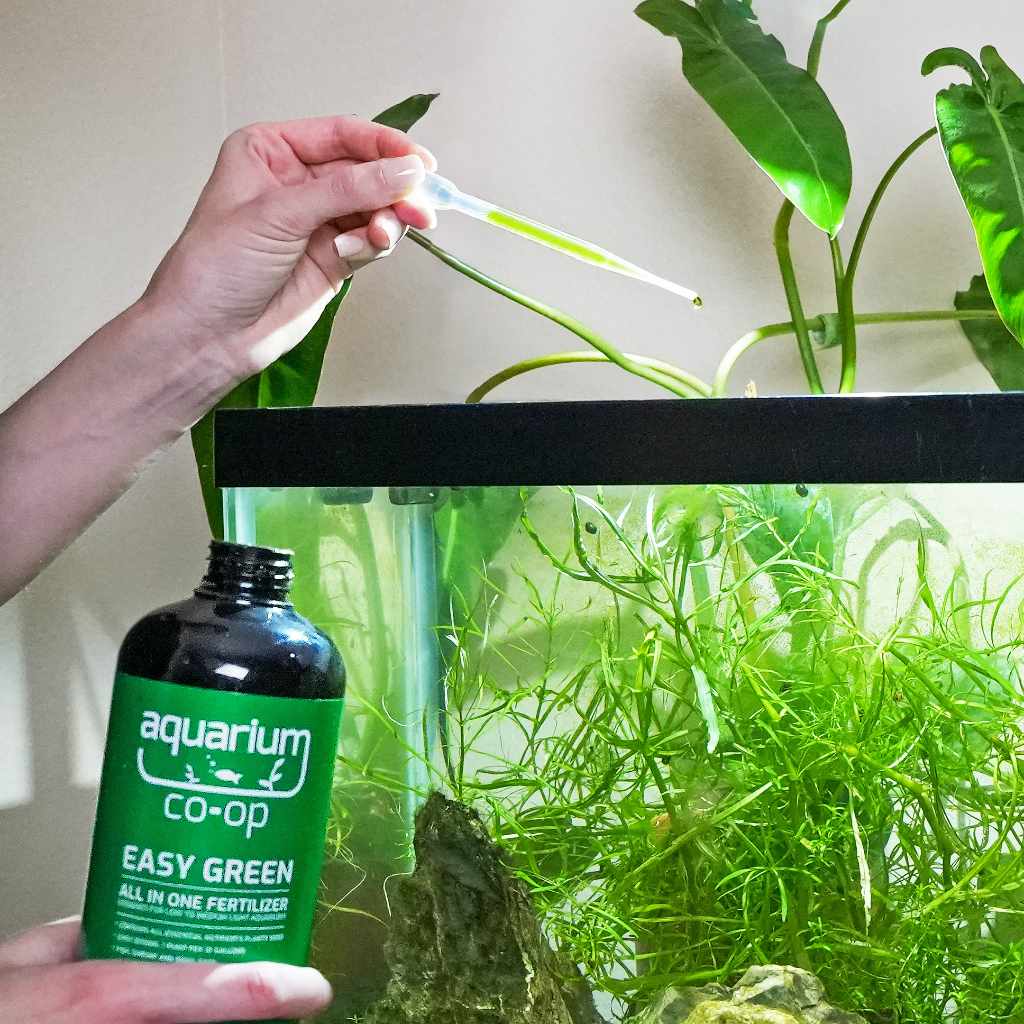
— Why is my Crinum calamistratum turning yellow or brown? If your plant is getting enough light, it may be a nutrient deficiency, so measure the nitrate level using a multi-test strip. Dose with Easy Green all-in-one fertilizer until the water has 20-50 ppm nitrate and add more Easy Root Tabs as needed.
— How to trim Crinum calamistratum: If the plant has dying or melting leaves, cut them off at the base of the leaf.
How to Propagate Crinum Calamistratum
Crinum calamistratum is very slow to propagate, but once it becomes well-established, it will start to produce small side shoots or plantlets from the base of the original plant. The plantlet will sprout its own leaves and roots that grow into the ground. Gently remove the side bulb from the parent plant and replant it in a different location.
Original: $9.99
-70%$9.99
$3.00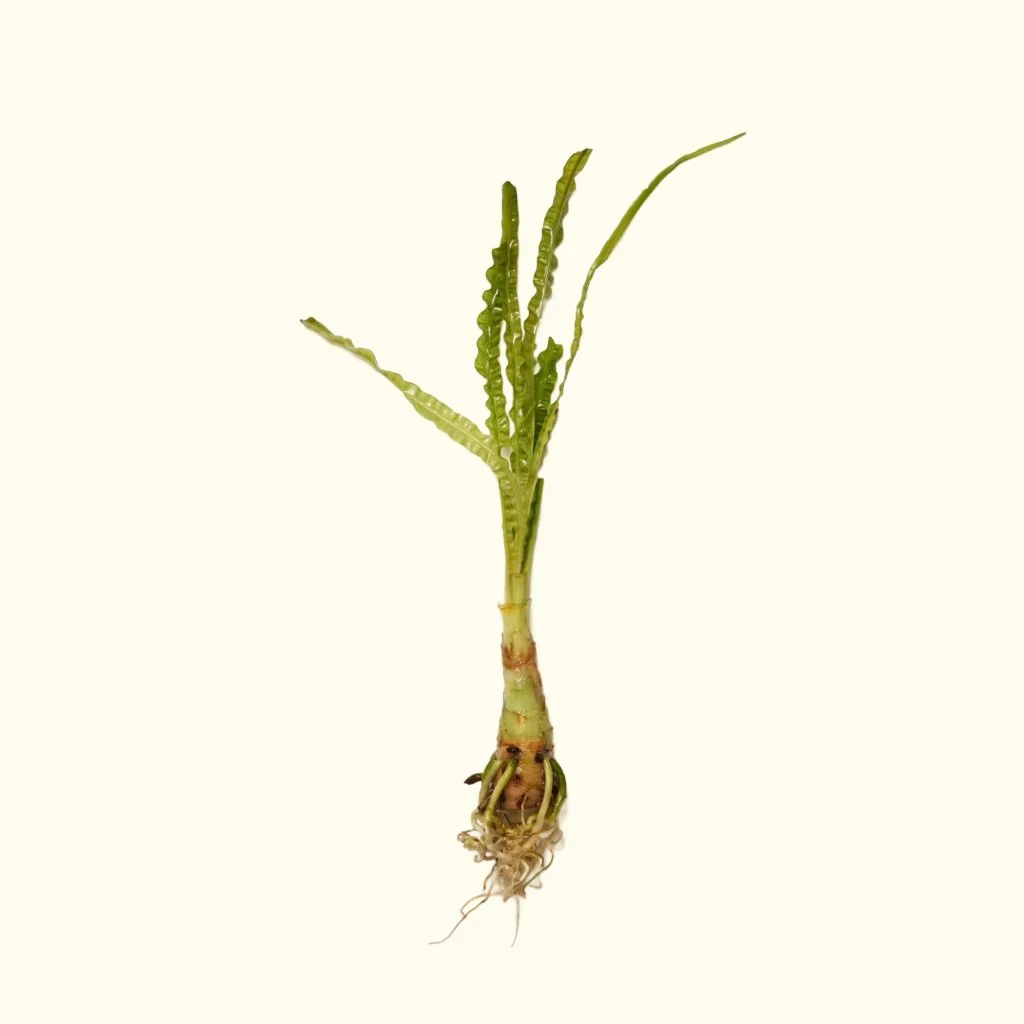


Description
- Unique crinkly texture
- Tall background plant
- Easy care
Crinum calamistratum is a unique bulb plant with very long and narrow leaves that are dark green in color and crinkly in texture. It can grow quite tall, which makes it a great background or centerpiece plant to keep your aquarium. Crinum plants will do best in at least medium lighting and are extremely slow growing, but they're a must-have for any plant lover.
- Scientific Name: Crinum calamistratum
- Native To: Africa
- Skill Level: Medium
- Placement: Background
-
Recommended Light: Medium Light 20-35 PAR (click to see our PAR chart)
- CO2 Requirement: Low to none
- Preferred Fertilizer: Easy Green liquid fertilizer and Easy Root Tabs
- Propagation: Remove side bulbs and replant
***Being a natural product, sizes can vary from what is shown.***
How to Plant Crinum Calamistratum
1. Rest the bulb on top of substrate or about halfway buried so the plant can send roots down into the substrate. If buried too deeply, the plant may rot and eventually die.
2. If the bulb starts floating, you can either wait for it to sink or place it loosely under a piece of hardscape to keep it weighed down.
3. The leaves of bulb plants are very fragile and may break during shipping. However, as long as the bulb is intact and correctly planted, the plant will fully recover and begin growing new roots and leaves.
How to Grow Crinum Calamistratum
— Crinum calamistratum care requires medium skill level, so start by using medium lighting between 20-35 PAR.
— Why is my Crinum calamistratum turning yellow or brown? If your plant is getting enough light, it may be a nutrient deficiency, so measure the nitrate level using a multi-test strip. Dose with Easy Green all-in-one fertilizer until the water has 20-50 ppm nitrate and add more Easy Root Tabs as needed.
— How to trim Crinum calamistratum: If the plant has dying or melting leaves, cut them off at the base of the leaf.
How to Propagate Crinum Calamistratum
Crinum calamistratum is very slow to propagate, but once it becomes well-established, it will start to produce small side shoots or plantlets from the base of the original plant. The plantlet will sprout its own leaves and roots that grow into the ground. Gently remove the side bulb from the parent plant and replant it in a different location.