Lindernia Rotundifolia 'Watermelon'
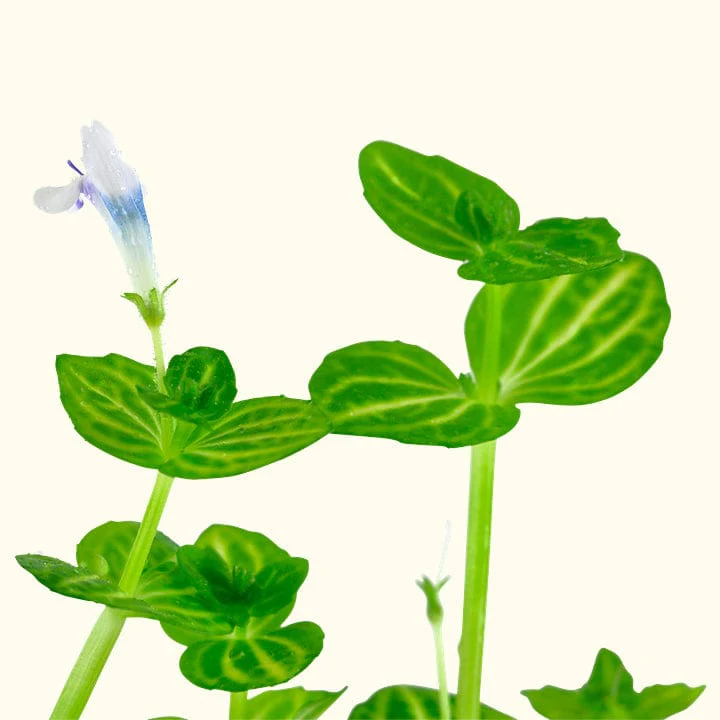
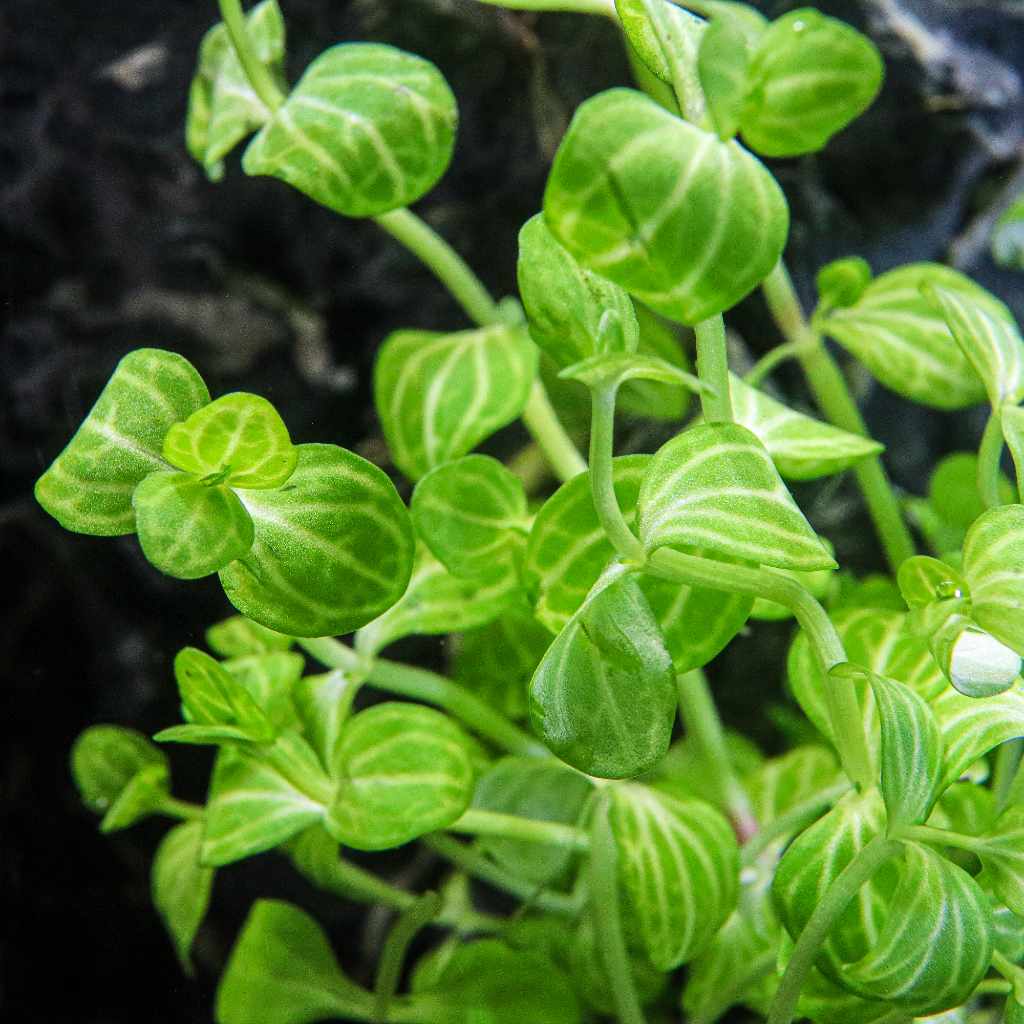
- Unique marbled leaves like little watermelons
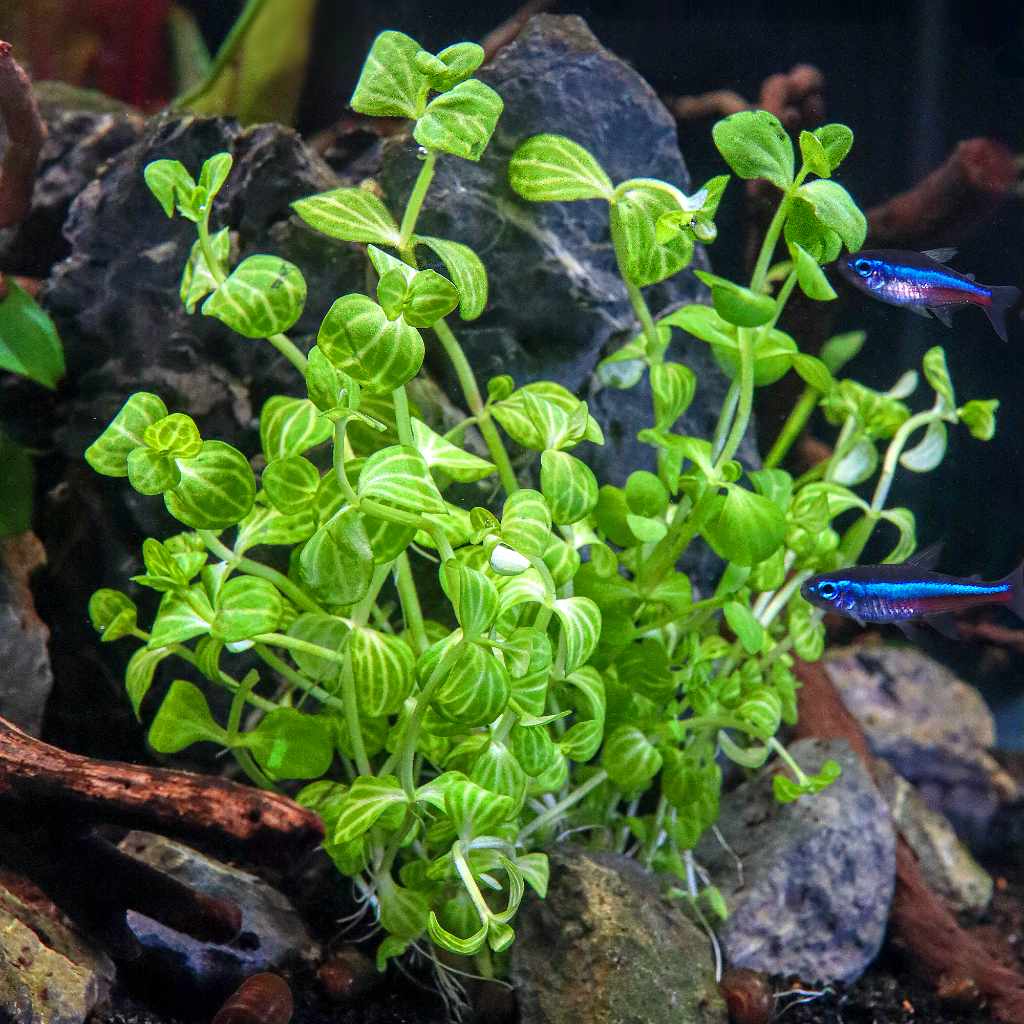
- Tall stem plant that forms bushy clusters
- Easy to grow even for beginners
Lindernia rotundifolia 'Watermelon' is a top seller at the Aquarium Co-Op fish store because of its extraordinary appearance and easy care. This marbled variety has rounded, green leaves with variegated striping that resemble little watermelons. Unlike most stem plants that look "leggy" at the bottom, the lower leaves of this species are quite hardy and less prone to melting.
- Scientific Name: Lindernia rotundifolia 'Variegated' or 'Watermelon'
- Native To: Asia
-
Skill Level: Easy
- Placement: Midground, background, or floating
- Light Requirement: Medium Light 20-35 PAR (click to see our PAR chart)
- CO2 Requirement: None
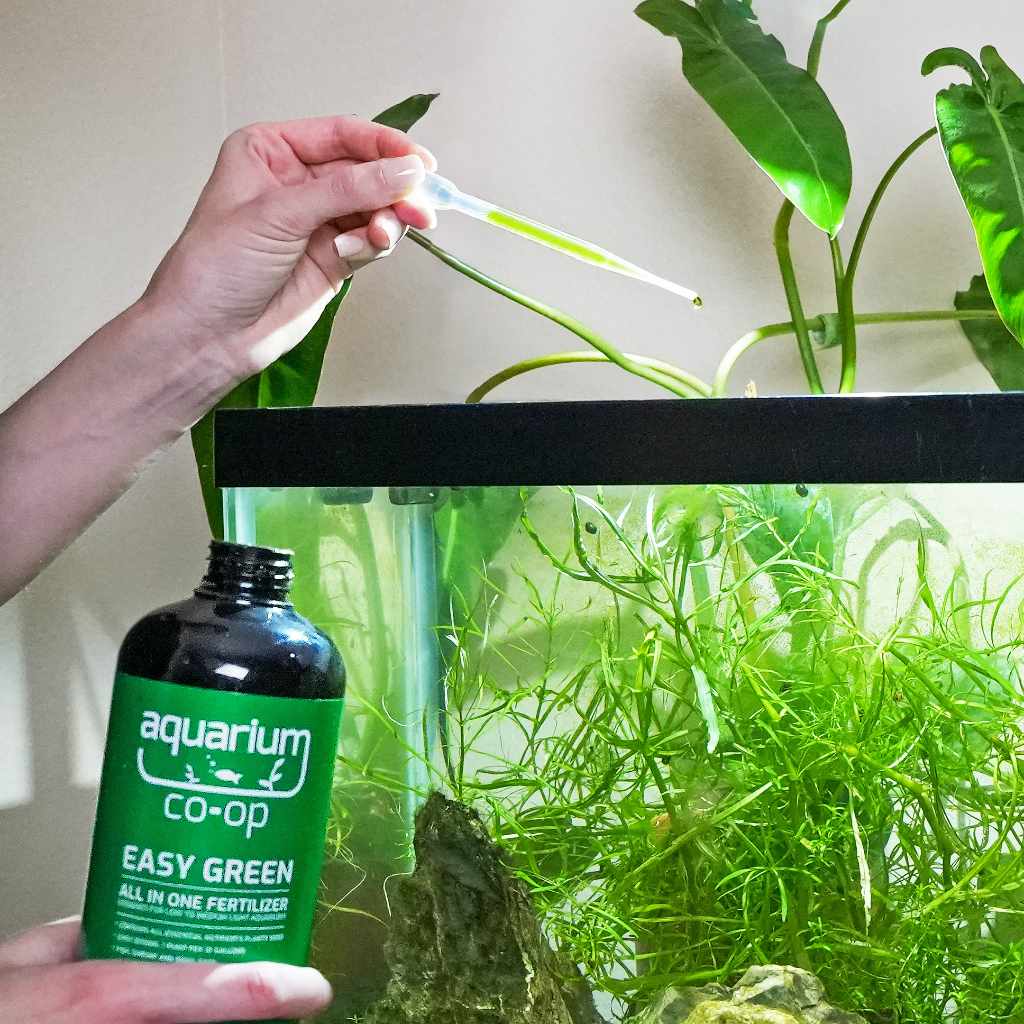
- Preferred Fertilizer: Easy Green liquid fertilizer and Easy Root Tabs
- Propagation: Trim stems and replant
***Being a natural product, sizes can vary from what is shown.***
How to Plant Lindernia Rotundifolia Aquarium Plant
1. Remove the potted plant from plastic basket, and split the rock wool in half.
2. Carefully remove the plant roots from the rock wool, and make sure to remove all the small, yellow fertilizer balls. Wash off any remaining debris.
3. Use planting tweezers or your fingers to plant each stem deeply, at least 2 to 3 inches into the ground, which means the substrate may cover some of the bottom leaves.
4. Don’t plant the stem plants all in a single bunch but rather individually with a little space between so that the roots have some room to grow.
5. If the plant keeps popping out of the ground, try inserting the stem at an angle or wrap a plant weight at the bottom of the stem to keep them anchored. If the stems have no roots, some people will float them at the surface until they develop roots and then plant them into the substrate.
How to Grow Lindernia Rotundifolia
— Lindernia rotundifolia care is very easy, so start by using medium lighting between 20-35 PAR to prevent "leggy" stems (where the bottom portion of the plant starts dropping leaves).
— Why is my Lindernia rotundifolia melting? This stem plant is grown out of the water at the farm. Once the plants arrive to us, we begin the process of converting them to their underwater form. The plant you receive may be half-converted and still need time to adjust to life under water. To help speed up the transition, provide plenty of light and nutrients to encourage new leaves to sprout as the old leaves melt away. Consider floating the stems at the surface until it grows more roots and can be easily planted into the substrate.
— Why is my Lindernia rotundifolia turning yellow or brown? If your stem plant is getting enough light, it may be a nutrient deficiency, so measure the nitrate level using a multi-test strip. Dose with Easy Green all-in-one fertilizer until the water has 20-50 ppm nitrate.
— How to trim Lindernia rotundifolia: If the plant is too tall or the bottom half of the stem has lost its leaves, prune off the top portion and replant it. Also, if you notice any shoots producing only green leaves, cut them off to maintain the marbled pattern. Pruning the stems encourages the plant to grow side shoots that create a bushier appearance.
How to Propagate Lindernia Rotundifolia
Stem plants can be easily propagated by trimming off the top half of the plant and replanting it in another location. The original plant will continue growing upwards from where it was cut and may even create multiple branches.
Original: $10.99
-70%$10.99
$3.30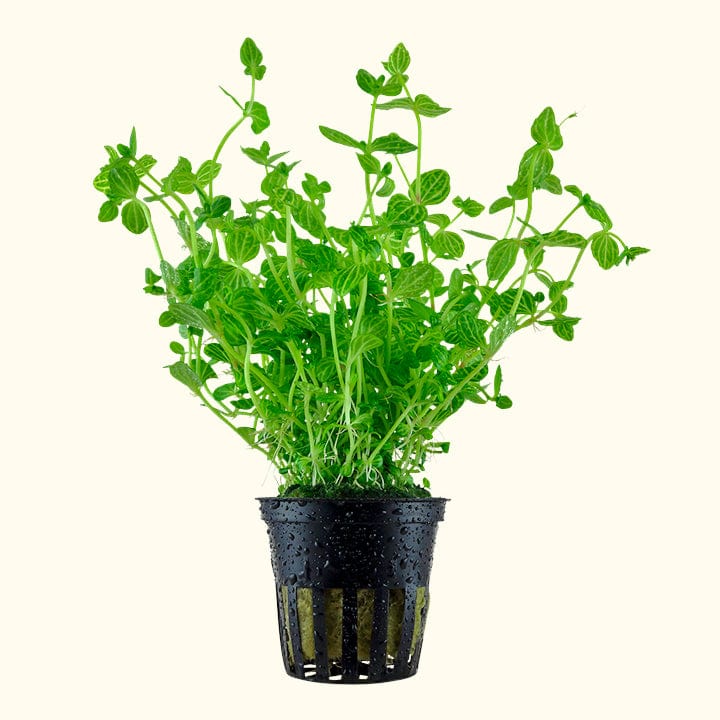

Description
- Unique marbled leaves like little watermelons
- Tall stem plant that forms bushy clusters
- Easy to grow even for beginners
Lindernia rotundifolia 'Watermelon' is a top seller at the Aquarium Co-Op fish store because of its extraordinary appearance and easy care. This marbled variety has rounded, green leaves with variegated striping that resemble little watermelons. Unlike most stem plants that look "leggy" at the bottom, the lower leaves of this species are quite hardy and less prone to melting.
- Scientific Name: Lindernia rotundifolia 'Variegated' or 'Watermelon'
- Native To: Asia
-
Skill Level: Easy
- Placement: Midground, background, or floating
- Light Requirement: Medium Light 20-35 PAR (click to see our PAR chart)
- CO2 Requirement: None
- Preferred Fertilizer: Easy Green liquid fertilizer and Easy Root Tabs
- Propagation: Trim stems and replant
***Being a natural product, sizes can vary from what is shown.***
How to Plant Lindernia Rotundifolia Aquarium Plant
1. Remove the potted plant from plastic basket, and split the rock wool in half.
2. Carefully remove the plant roots from the rock wool, and make sure to remove all the small, yellow fertilizer balls. Wash off any remaining debris.
3. Use planting tweezers or your fingers to plant each stem deeply, at least 2 to 3 inches into the ground, which means the substrate may cover some of the bottom leaves.
4. Don’t plant the stem plants all in a single bunch but rather individually with a little space between so that the roots have some room to grow.
5. If the plant keeps popping out of the ground, try inserting the stem at an angle or wrap a plant weight at the bottom of the stem to keep them anchored. If the stems have no roots, some people will float them at the surface until they develop roots and then plant them into the substrate.
How to Grow Lindernia Rotundifolia
— Lindernia rotundifolia care is very easy, so start by using medium lighting between 20-35 PAR to prevent "leggy" stems (where the bottom portion of the plant starts dropping leaves).
— Why is my Lindernia rotundifolia melting? This stem plant is grown out of the water at the farm. Once the plants arrive to us, we begin the process of converting them to their underwater form. The plant you receive may be half-converted and still need time to adjust to life under water. To help speed up the transition, provide plenty of light and nutrients to encourage new leaves to sprout as the old leaves melt away. Consider floating the stems at the surface until it grows more roots and can be easily planted into the substrate.
— Why is my Lindernia rotundifolia turning yellow or brown? If your stem plant is getting enough light, it may be a nutrient deficiency, so measure the nitrate level using a multi-test strip. Dose with Easy Green all-in-one fertilizer until the water has 20-50 ppm nitrate.
— How to trim Lindernia rotundifolia: If the plant is too tall or the bottom half of the stem has lost its leaves, prune off the top portion and replant it. Also, if you notice any shoots producing only green leaves, cut them off to maintain the marbled pattern. Pruning the stems encourages the plant to grow side shoots that create a bushier appearance.
How to Propagate Lindernia Rotundifolia
Stem plants can be easily propagated by trimming off the top half of the plant and replanting it in another location. The original plant will continue growing upwards from where it was cut and may even create multiple branches.